 AR
 DE
 JP
 RU
 TR
Hair Transplant Methods: FUE and DHI
- Home
- Hair Transplant Methods: FUE and DHI
Hair transplant methods differ in how follicles are taken from the donor area and how they are placed in the recipient area. The most common methods are FUE and DHI. Which one suits you depends on hair structure, the type of hair loss, donor area capacity and your expectations. A hair transplant should take place at an authorised health facility, under the responsibility of authorised health professionals. The information here is general and does not replace a personal assessment.
| Topic | FUE | DHI |
|---|---|---|
| Removing the follicles | One by one from the donor area. | One by one from the donor area. |
| Placing the follicles | Into channels opened in the recipient area. | Can be placed with a special implanter pen. |
| Marks in the donor area | Small dot-like marks can remain. | Small dot-like marks can remain. |
With FUE, follicles are removed from the donor area one by one and no strip of skin is taken. See the FUE technique page for details.
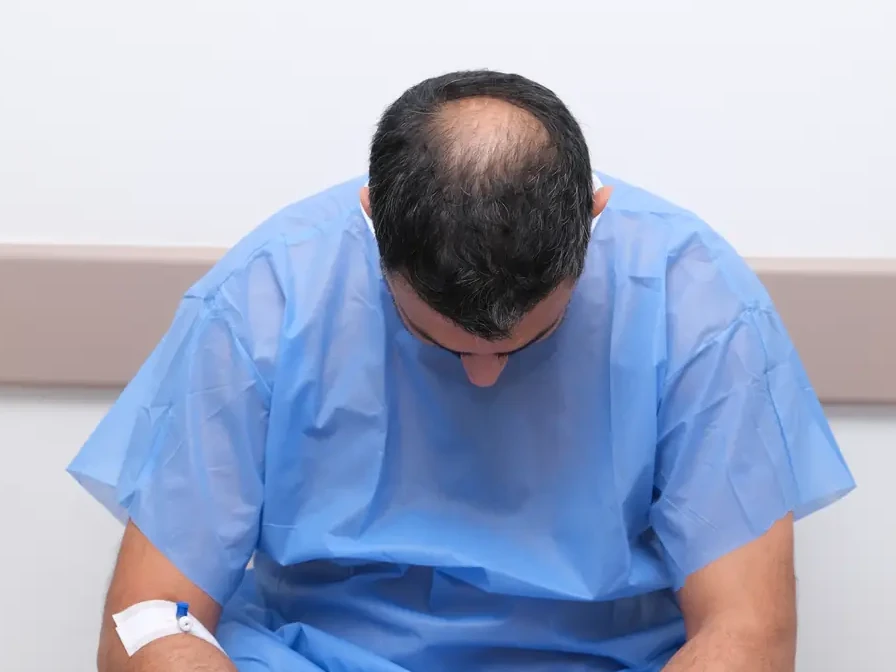
DHI is an approach in which a special implanter pen can be used to place the follicles. See the DHI technique page for details.
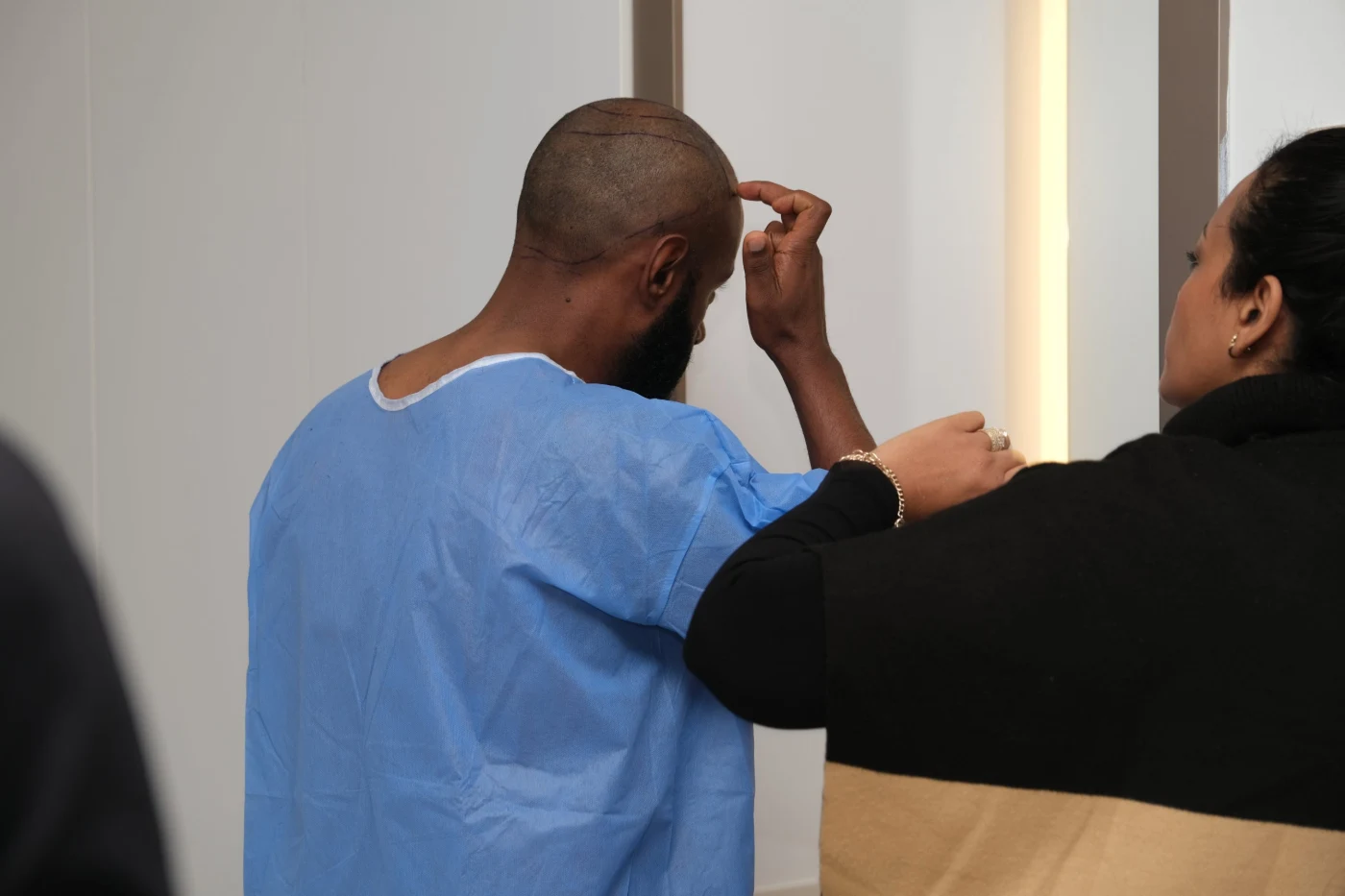
Neither method is better for everyone. An assessment looks at these together:
PRP and mesotherapy are not hair transplant methods. They are separate treatments considered as part of hair and scalp care. Talk to an authorised health professional about whether they suit you and what to expect. For general information see the PRP and mesotherapy pages.
Neither method is better for everyone. The right one depends on the person.
In both, follicles are removed from the donor area one by one. The difference is in how they are placed. DHI can use an implanter pen.
The choice should be made with an authorised health professional after an assessment.
No method can guarantee results. Biology and other factors affect the outcome.
For general information see the hair transplant page, and for questions use the contact page.

What Is a FUE Hair Transplant?FUE (Follicular Unit Extraction) is a hair transplant method in which follicles are removed from the donor area one by o
What Is a DHI Hair Transplant?DHI (Direct Hair Implantation) is a hair transplant approach in which follicles are taken from the donor area and placed
What Is Mesotherapy?Mesotherapy is the application of a mixture of components such as vitamins, minerals and amino acids, or of some medicines, under
What Is PRP?PRP (platelet-rich plasma) is the application of plasma, taken from your own blood and enriched with platelets, to the scalp. PRP is not a
What Is the Difference Between FUE and DHI?FUE and DHI are methods in which follicles are removed from the donor area one by one. The main difference
You can reach Turkey Hairbank by WhatsApp, phone, email or the form on this page. We reply in your language: English, German, Arabic, Russian, Japanese or Turkish.
WhatsApp lines
We use analytics cookies to understand how visitors use this site. They stay off until you say yes. Privacy Policy